← Back to Projects
Thermal Optimization of Finned Heat Exchangers
Integrating physics-based modeling, machine learning, and wind tunnel experimentation.
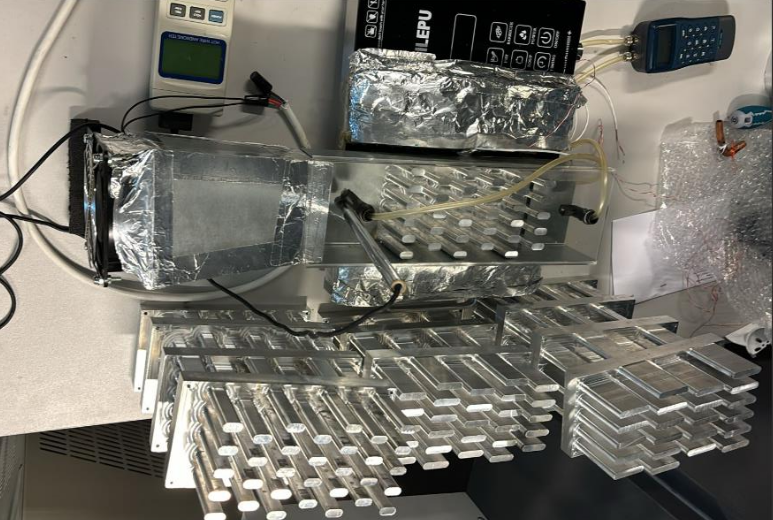
- Optimized finned heat sink designs to achieve 26.8 °C base temperature under 9.5 Pa pressure drop (within 10 Pa constraint) using experimental, analytical, and machine learning methods.
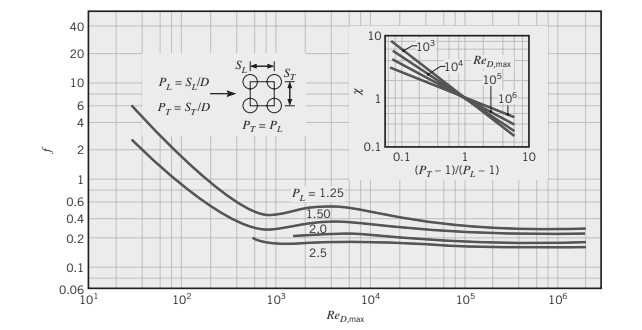
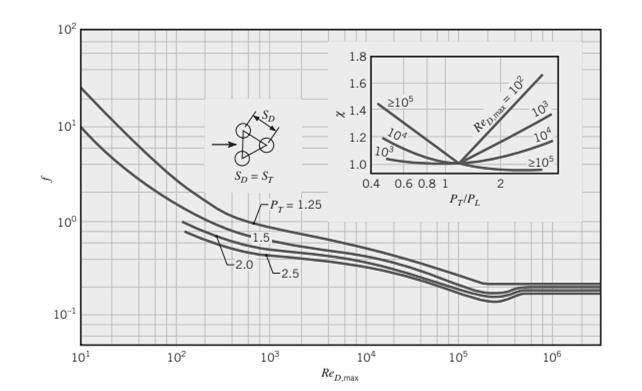
- Developed physics-based models from thermodynamic laws and Reynolds/Prandtl correlations, and ANN architectures with a 10-neuron hidden layer to predict optimal fin parameters, reducing computational costs by 40% compared to brute-force optimization.
- Conducted wind tunnel experiments on aluminum heat sinks with staggered fins, measuring thermal performance and pressure drop across 12 configurations.
- Derived mathematical models for fin count and heat dissipation, validated against experimental data (MSE=12.67), and integrated ISO/ASME standards for manufacturability and safety.